



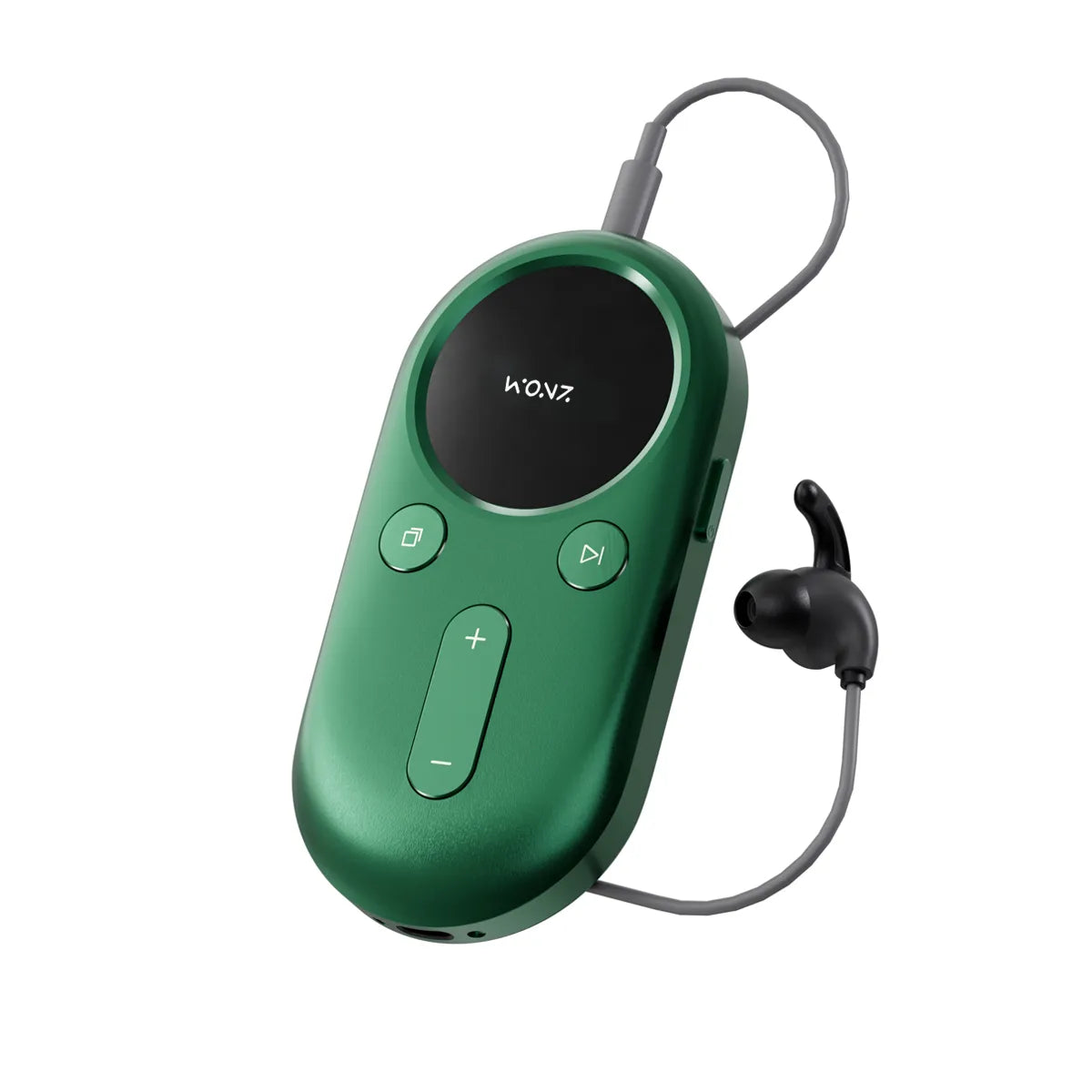

What Is It
What Is the Vagus Nerve?
The vagus nerve is the tenth cranial nerve of the human body, originating in the brain and “wandering” into the thoracic and abdominal cavities, where it connects to and innervates multiple organs.
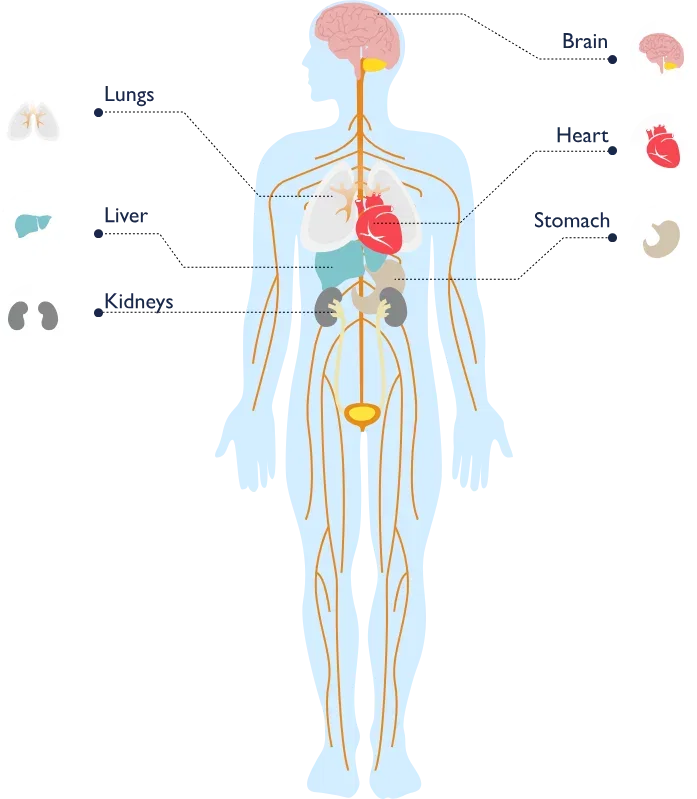
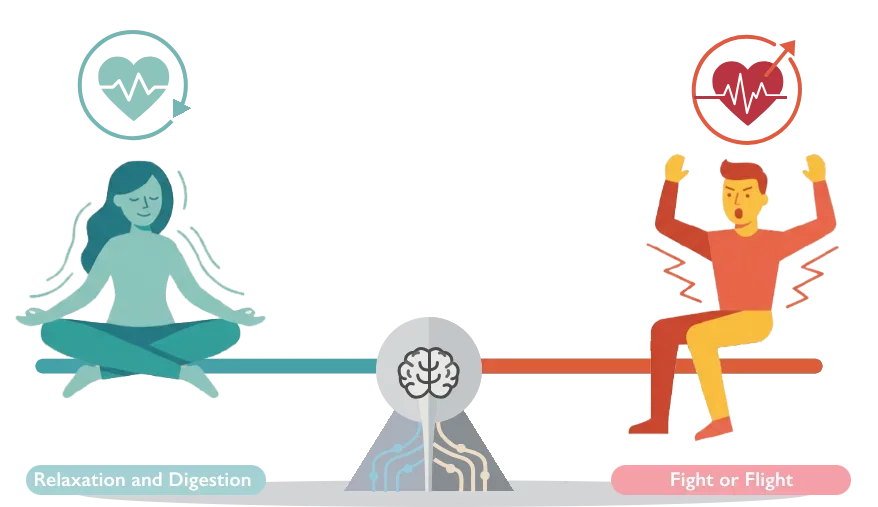
In the human body's autonomic nervous system, the sympathetic nerve and the vagus nerve are responsible for two opposite physiological modes.
Vagus Nerve - Brake
Sympathetic Nerve - Accelerator
How It Works
What Is ta-VNS Technology?
ta-VNS: transcutaneous auricular vagus nerve stimulation
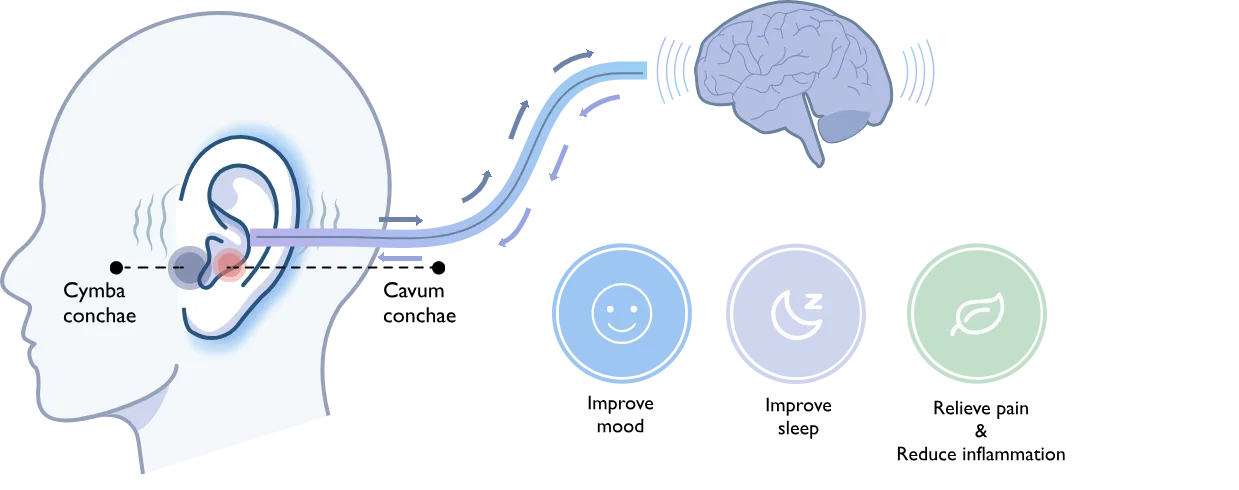
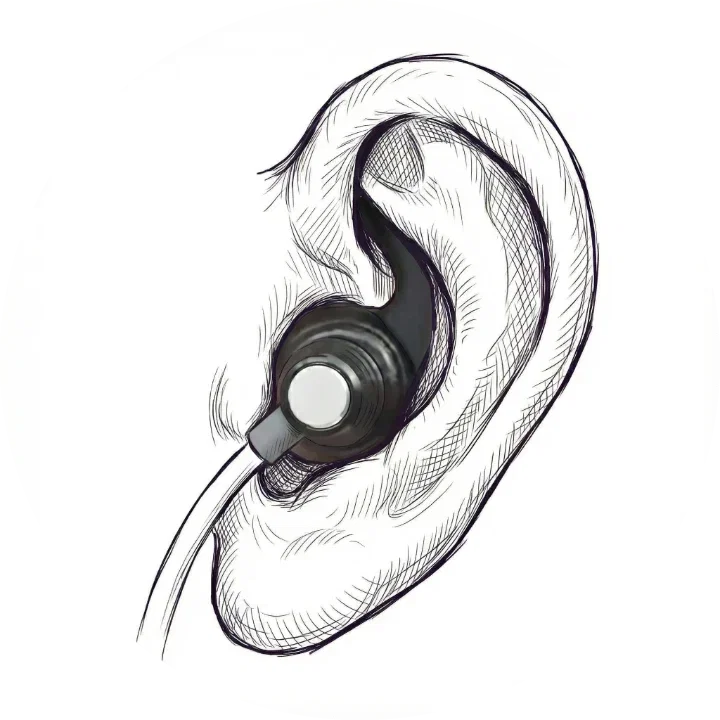
Scientific research has found that the ear region (cymba conchae and cavum conchae) is the only area on
the body surface where the vagus nerve is distributed.
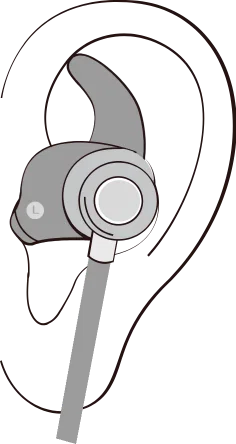
Applying microcurrent stimulation to the auricular concha area can activate the vagus nerve, send a "relaxation"
signal to the brain, and achieve physical and mental wellness.
History of ta-VNS Technology Healing
In 1994, the Polyvagal theory proposed that the vagus nerve is the "master switch for physical and mental relaxation"
In 2005, the implantable vagus nerve stimulator began to be used in the treatment of depression

In 1997, the implantable vagus nerve stimulator began to be used in the treatment of epilepsy
Now, transcutaneous auricular vagus nerve stimulation (ta-VNS) has evolved from surgical implants to wearable devices
It promotes physical and mental well-being by non-invasively activating the vagus nerve.
How Does ta‑VNS Technology Help Achieve Relaxation?
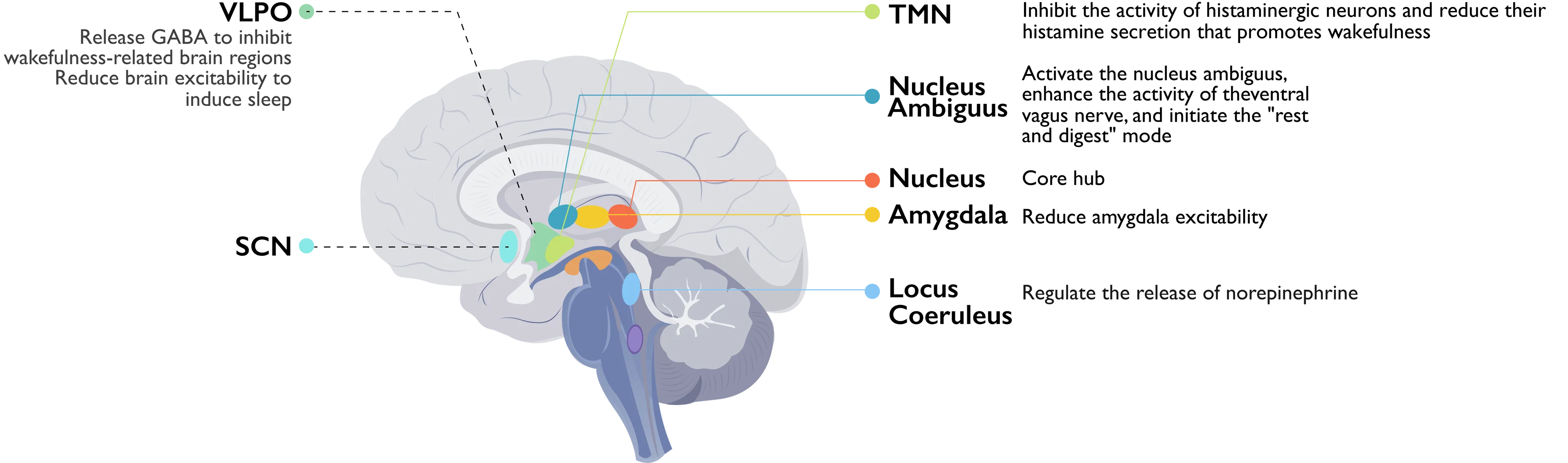
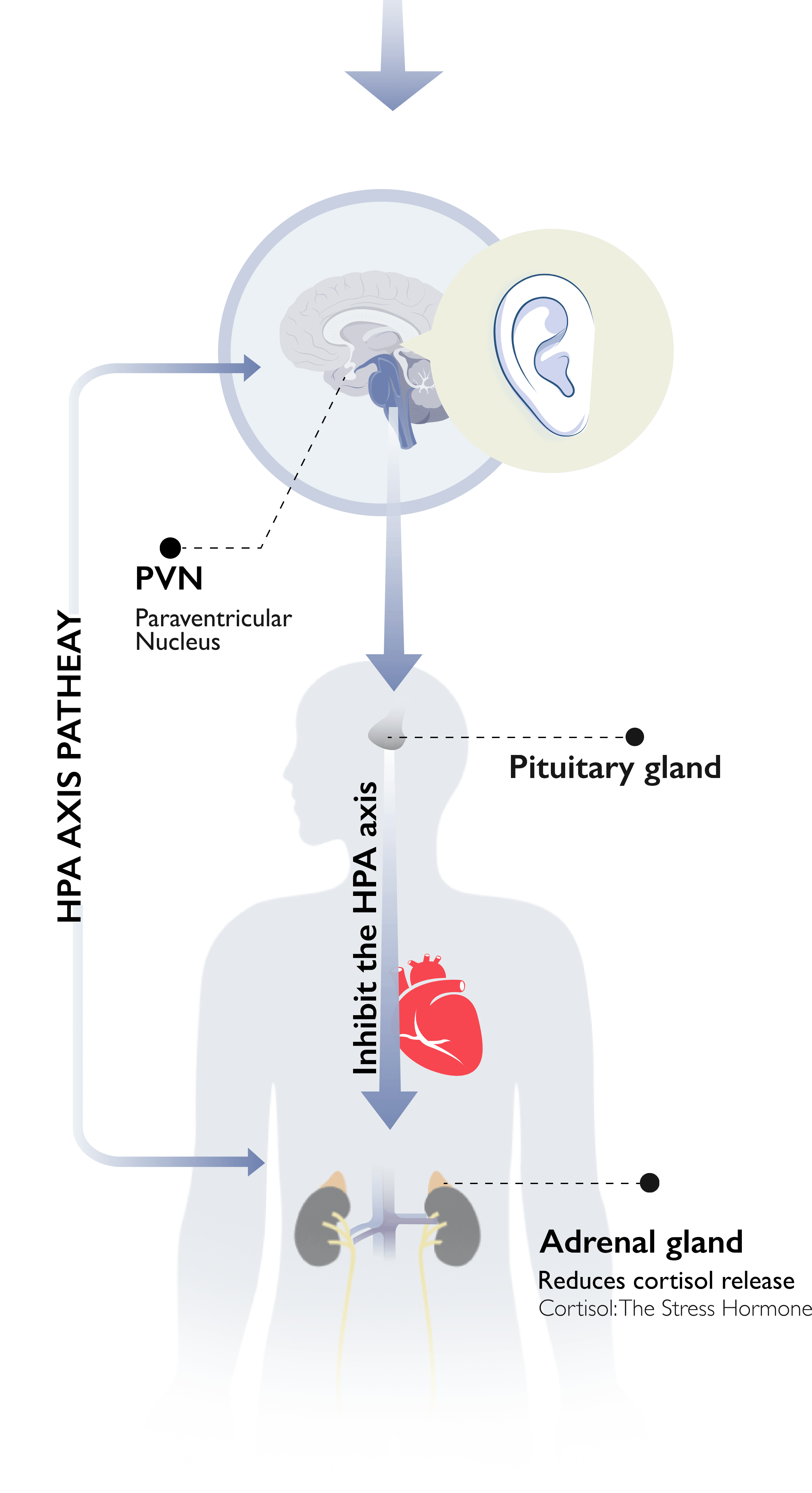

Reduce
- Excessive release of neurotransmitters such as histamine.
- Reduces hyperactivity of the amygdala.
- Reduces sympathetic nerve activity, lowers heart rate, slows breathing, and relaxes muscles.
Rise
- Promotes the release of GABA, an inhibitory neurotransmitter that suppresses neural excitation.
- Increases slow-wave sleep (delta waves) and extends the duration of deep sleep.
- Enhances ventral vagal activity, initiates the “rest-and-digest” state, and increases the heart rate variability (HRV) index.
Long-term Benefits
What are the ultimate benefits?
Every moment, empowering you to master yourself


Hi, I noticed this morning that my
HRV levels have been noticeably higher recently,
and I feel energized every day. How about you?
Improve
Emotional State

WONZ ta-VNS Device creates a
physical and mental foundation
for good sleep.
Boost
Your Sleep Quality

Combat inflammation and
enhance chronic disease
management outcomes.
Relieve Pain and
Reduce Inflammation
Introduce HRV
HRV
Heart rate variability (HRV) is the "gold standard"for reflecting vagus nerve activity. The higher the value, the more relaxed the body and mind.
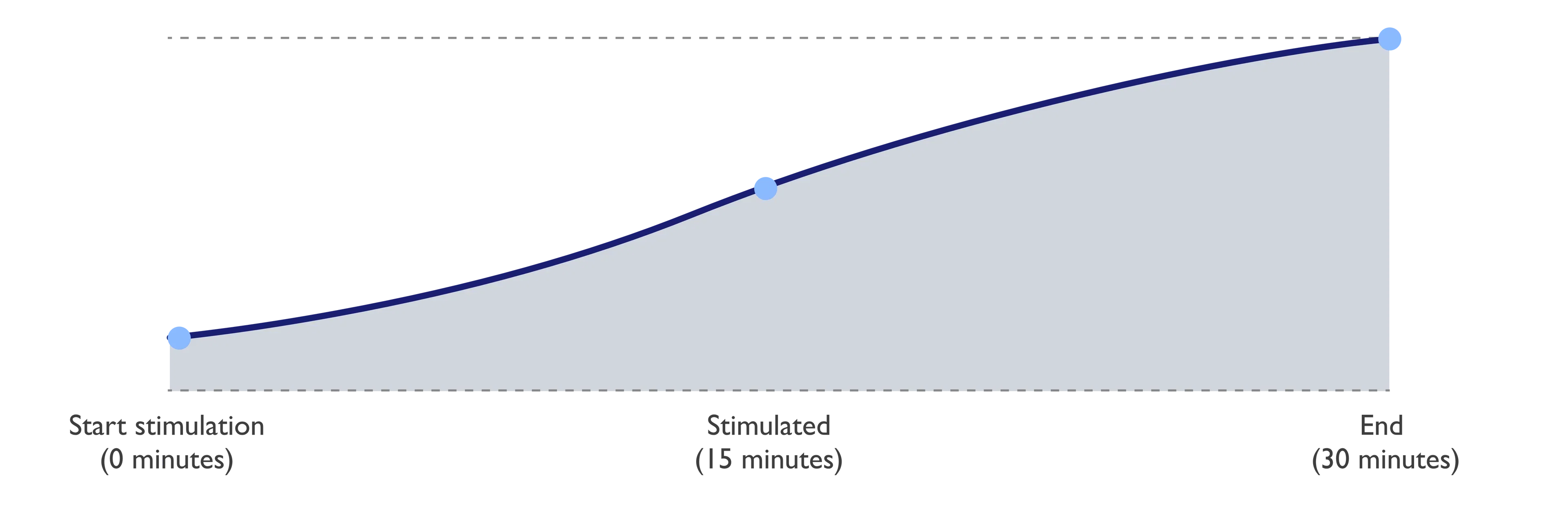
The data trend shows that 30 minutes of ta-VNS stimulation can significantly increase HRV levels, indicating the activation of relaxation response.
Zen in Your Ear
Combining cutting-edge modern technology with ancient healing wisdom, WONZ ta-VNS technology will usher in your era of inner healing.
We use scientific methods to simulate the ideal state of the brain and body during deep Zen meditation. You are "creating" the physiological foundation for calmness.
Shop Now

10000+ members
50+ Researchs
45+ Academic institutions
30+ Clinical trials